Where There’s Fire, There’s Smoke
Why Smoke Protection Should Be Part of Every Home Hardening Plan
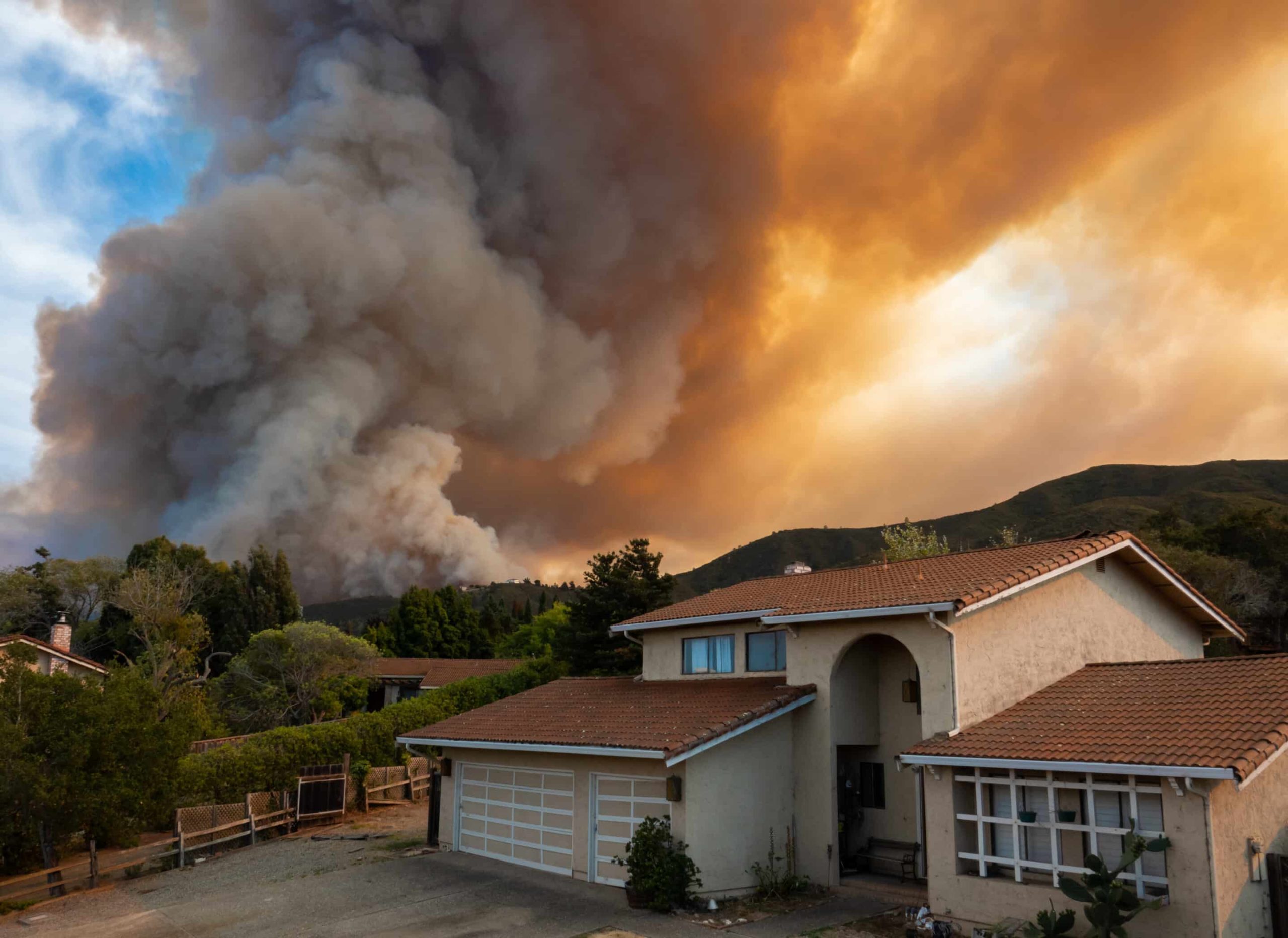
When we talk about wildfire protection, the first images that come to mind are usually flames racing across dry hillsides or fire crews defending homes. But there’s another major threat that doesn’t get as much attention—smoke.
At Redwood Fire Protection, we focus on comprehensive home defense. That means thinking beyond just the fire line. Because where there is fire, there is smoke—and it can travel farther, last longer, and cause more damage than you might expect.
The Hidden Danger of Wildfire Smoke
Even if your home isn’t directly in the path of a wildfire, smoke can travel miles and seep into homes that seem safely out of reach. It’s made up of tiny particles and toxic gases that can infiltrate through vents, windows, attics, crawl spaces, and even microscopic cracks in your structure. Once inside, smoke can:
- Trigger respiratory issues, especially for children, the elderly, and people with asthma or heart conditions
- Damage electronics and appliances
- Permanently stain walls, ceilings, and furniture
- Create lingering odors that are hard to remove
How to Protect Your Home from Smoke
Home hardening against fire should also include smoke defense strategies. Here are a few essential steps you can take:
1. Seal the Envelope
Make sure your home is as airtight as possible:
- Use weatherstripping on doors and windows
- Caulk around pipes, vents, and exterior wall penetrations
- Install smoke-rated gaskets on attic and crawl space access points
2. Upgrade Your Vents
Standard vents allow air—and smoke—to pass through easily. Upgrade to ember- and smoke-resistant vents that still allow ventilation but block dangerous particles during wildfire events.
3. Install a High-Quality Air Filtration System
A good HVAC system with a HEPA or MERV 13+ filter can reduce indoor smoke particles significantly. During smoke events, keep windows closed and run your system on “recirculate” mode to filter indoor air.
4. Use Portable Air Purifiers
Place air purifiers in key rooms—especially bedrooms—to create safe zones during a smoke event. Look for units rated for wildfire smoke with activated carbon filters.
5. Create a Smoke Emergency Plan
Just like you’d plan for evacuation during a fire, plan for sheltering from smoke. Stock up on N95 masks, keep your air filters clean, and know when to seek temporary relocation if the air quality becomes dangerous.
Don’t Wait for the Smoke to Clear
We often get calls after the smoke has already filled a home—but by then, the damage may already be done. Preventive steps now can save you tens of thousands in repairs and protect your family’s health.
At Redwood Fire Protection, we’re here to help you breathe easy in the event of a fire.
Contact us today for a smoke vulnerability inspection or to learn more about hardening your home against fire and wildfire smoke.