What’s in that Fire Retardant?
The Hidden Dangers of Phos-Chek and the Safer Alternative
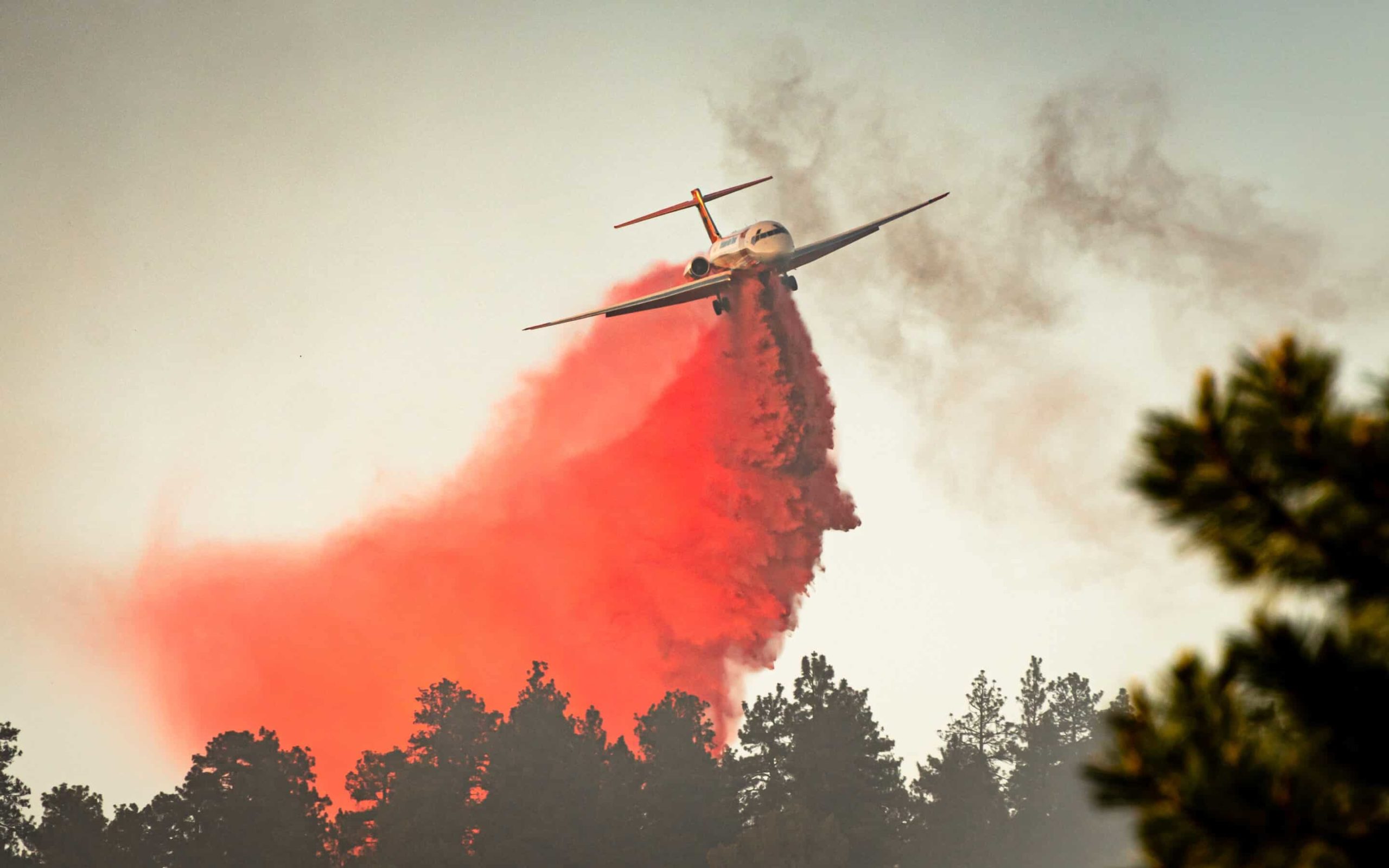
When wildfires threaten homes and communities, fire fighting authorities rely on fire retardants to create defensive barriers. But few people stop to ask: What exactly is in that pink stuff? And more importantly—what are they leaving behind?
At Redwood Fire Protection, we believe you shouldn’t have to choose between fire defense and environmental safety. That’s why we use Komodo, a revolutionary long-term fire retardant that’s safe for people, pets, and the planet—and approved by both the USDA and the U.S. Forest Service.
But before we get into what makes Komodo different, let’s talk about what’s wrong with traditional options like Phos-Chek.
The Problem with Traditional Retardants
Phos-Chek has been widely used for decades by wildfire agencies, but it’s come under increasing scrutiny in recent years. Here’s why:
1. Heavy Metals and Harmful Chemicals
Phos-Chek contains ammonium phosphate and often includes salts of iron, aluminum, or magnesium—all of which can leave behind toxic residues. These heavy metals can:
- Accumulate in soil and waterways
- Harm fish and aquatic life
- Disrupt sensitive ecosystems
- Pose potential health risks with repeated exposure
2. Environmental Fallout
When dropped over large forested or residential areas, traditional retardants don’t just stay put—they wash into streams and leach into the soil. The U.S. Forest Service has faced legal pressure over waterway contamination tied to retardant drops.
3. Danger to Pets and Wildlife
Studies show that certain components in Phos-Chek can irritate skin, eyes, and lungs in animals, especially with direct contact or inhalation. It’s not something you want soaking your backyard—or your community’s watershed.
Don’t believe us; a team of researchers from USC has verified it. https://viterbischool.usc.edu/news/2024/10/toxic-metals-found-in-wildfire-suppressants/#:~:text=The findings%3A,intrusions that entered surface waters.
Meet Komodo: Fire Retardant, Reinvented
Komodo was designed to solve all of these problems.
✅ Long-Term Fire Protection — Komodo creates an invisible barrier that clings to surfaces throughout the fire season. Until a series of heavy downpours, it remains effective in preventing ignition even in extreme heat.
✅ 100% Biodegradable — It breaks down naturally over time without polluting soil or water.
✅ Non-Toxic and Eco-Safe — Komodo is safe for people, pets, wildlife, and plants. No heavy metals, no harmful residues.
✅ Approved by the USDA and U.S. Forest Service — Backed by rigorous testing, real-world results, and a commitment to safety.
Why It Matters
The fight against fire shouldn’t create new risks. Whether you’re protecting a single home, a ranch, or an entire community, the material you use matters.
With wildfires getting more intense every year, we need smarter, safer tools to defend our spaces—without damaging the very environment we’re trying to save.
Komodo is that tool.
Ready to Fireproof Without Compromise?
Redwood Fire Protection now offers Komodo applications for homes, HOAs, commercial properties, and critical infrastructure.
Get in touch today to schedule a consultation or learn more about Komodo’s long-term benefits.